


Mercer Slough Nature Park
A 320-acre freshwater wetland preserve in the heart of Bellevue with seven miles of trails, boardwalks over open water, a working blueberry farm, and the Environmental Education Center run in partnership with Pacific Science Center.
4 photos · swipe to browse
4 photos · click any image to enlarge
Why you'll love it
An editor's take
Most large cities lose their wetlands. Bellevue kept its. Mercer Slough Nature Park is the largest freshwater wetland on Lake Washington, and it sits almost entirely inside city limits — 320 acres of marsh, forest, and open water bordered on three sides by highways yet somehow, once you are inside, completely quiet.
What sets it apart is how much you can actually do here. Seven miles of trails loop through cattail marsh and cottonwood bottomland. Boardwalks cross open channels where beavers work at dusk and great blue herons hunt in daylight. A working blueberry farm — yes, in the middle of Bellevue — opens for u-pick from July through September. Paddlers launch kayaks and canoes directly into the slough from two public access points. The Environmental Education Center, run in partnership with Pacific Science Center, turns the whole place into a hands-on classroom.
If you want to understand what Bellevue chose to protect while it was becoming a city, come here. It is the park that explains everything else.
Quick facts
At a glance
- Neighborhood
- Newport
- Phone
- +1-425-452-6885
- Website
- bellevuewa.gov/city-government/departments/parks/parks-and-trails/parks/mercer-slough-nature-park
- Hours
- Daily, dawn to dusk
- Price
- Free
- Parking
- Free lots at four trailheads: Bellevue Way SE (main), Sweyolocken (boat launch), Enatai Beach, and 118th Ave SE
- Accessibility
- Boardwalk sections near the main trailhead and the Winters House are ADA accessible; forested trails have grades and roots
- Family friendly
- Yes — short boardwalk loops, wildlife viewing, and the Environmental Education Center are excellent for kids
- Pet friendly
- Leashed dogs welcome on trails; not permitted in the blueberry farm or on Environmental Education Center program grounds
- Visit duration
- 60-90 minutes for a boardwalk loop; 2-3 hours for a full trail circuit; a full day if you include kayaking
- Best season
- April through October for wildlife and paddling; July-September for u-pick blueberries
Highlights
What makes it special
- Seven miles of trails and boardwalks through the largest freshwater wetland on Lake Washington
- Mercer Slough Environmental Education Center — hands-on programs operated in partnership with Pacific Science Center
- Working blueberry farm with u-pick from July through September (a City of Bellevue tradition since the 1940s)
- Two public canoe and kayak launches — Sweyolocken and Enatai Beach — with paddling access to more than three miles of navigable slough
- Reliable wildlife viewing — great blue herons, beavers, river otters, wood ducks, red-tailed hawks, and more than 170 recorded bird species
- Winters House, a historic 1930s Spanish Eclectic residence on the National Register, now a City visitor amenity
- Boardwalk sections near the main trailhead are ADA accessible and stroller-friendly
- Free admission, free parking, four public trailheads, and no reservations required
- Directly connected to the Lake to Lake Trail linking to Bellevue Downtown Park and Kelsey Creek
What you'll experience
The visit, in detail
Start at the Bellevue Way SE trailhead — the main entrance at the north end of the park, just off I-90. The parking lot sits above the slough; interpretive signs at the trailhead orient you to the wetland below and mark the boardwalk route.
From there, the Heritage Trail drops down onto a wide boardwalk that carries you out over open water within the first two minutes. This is the introduction most first-time visitors want: cattails at eye level, sky doubled in the water below, and — if you slow down — often a great blue heron standing perfectly still no more than fifty feet away.
The Heritage Trail loop is roughly 1.4 miles and includes the historic Winters House, a 1930s Spanish Eclectic residence set among the wetland edge. For a longer walk, continue south on the Bellefields Trail and Cottonwood Trail; the full trail network measures about seven miles and includes short spurs to viewing platforms and the working blueberry farm.
For paddlers, the two access points are Sweyolocken Boat Launch (off 118th Ave SE, with a proper boat ramp) and Enatai Beach Park (a small hand-carry launch on the western edge). Both open onto the slough's navigable channels; a full round trip north to the mouth at Lake Washington and back runs 2 to 3 hours at an unhurried pace.
The Environmental Education Center sits on the eastern side of the park. It runs public programs, summer camps, and drop-in events; hours and offerings vary seasonally and are best checked in advance.
Most visitors spend an hour on a boardwalk loop, two to three hours on a longer circuit, and a full half-day if they combine trails with the blueberry farm or a paddle.
Insider notes
BellevueExplorer local tips
Nature Etiquette — BellevueExplorer
A short field code for exploring Bellevue's natural places with care: • Stay on marked trails • Respect wildlife — observe from a distance, never feed • Leave plants and natural features undisturbed • Keep voices and noise low so wildlife stays active • Pack out everything you bring in Small habits, multiplied across every visitor, are what keep places like Mercer Slough wild.
Trail Conditions Guidance
Expect soft or muddy ground after rain, especially along the eastern and western boardwalks. Sturdy, closed-toe shoes make the uneven trails more comfortable year-round, and a light layer is useful on the shaded wetland paths.
Leave No Trace Reminders
Stay on marked paths, carry out anything you bring in, and leave plants and natural objects where you find them. Dogs are welcome on leash in most areas, which also protects ground-nesting birds and sensitive shoreline plants.
Wildlife-Viewing Tips
Wildlife is most active in the early morning and at dusk. Bring binoculars, move slowly, and keep voices low near the water. A patient few minutes on a boardwalk overlook often yields herons, turtles, or passing river otters.
Respect Nature
Mercer Slough is one of Bellevue's most important natural habitats. Staying on designated trails, observing wildlife from a respectful distance, and leaving plants undisturbed helps preserve this remarkable ecosystem for future visitors.
Nature Notes — Year-Round Wildlife Rhythms
Two windows drive nearly all the wildlife you will see here: the first hour after sunrise and the last hour before sunset. Midday is quieter regardless of season. Herons are the constant — expect them any month, any weather. Beavers and river otters are strongly crepuscular; a still evening on the boardwalk in any season is your best chance. Songbird activity is loudest April through July. If you can only visit once and want the fullest picture of what the slough is, come at 7am on a weekday in early October.
Nature Notes — Winter (November-February)
The quiet season, and the most rewarding for patient visitors. Bald eagles are more visible along the slough edges — look for them perched in tall cottonwoods near the mouth at Lake Washington. Wintering ducks (bufflehead, hooded merganser, common goldeneye) settle onto the open channels. Bare cottonwoods reveal beaver lodges and old heron nests that summer foliage hides. Trails are wet; boardwalks are the reliable option. Days are short — plan to be out by 4pm unless you carry a headlamp. Most weekday mornings you will have long stretches of trail entirely to yourself.
Nature Notes — Fall (September-October)
The best six weeks of the year for photography. Cottonwoods turn butter-gold from mid-September through mid-October, with peak color usually in the first week of October. Morning fog on the slough is nearly daily from late September on. Migratory waterfowl pass through — expect to see mixed flocks of wigeon, teal, and gadwall on the open channels. Crowds thin dramatically after Labor Day; weekday mornings can feel private. Trails firm up after summer and paddling is still excellent through mid-October.
Nature Notes — Summer (June-August)
Dragonflies own the open water from mid-June onward — blue darners and common green darners are the most visible. Great blue herons are on the boardwalk near-daily, often at surprisingly close range. Beaver activity is easiest to read now: watch for chewed cottonwood stumps along the Bellefields Trail and V-shaped wakes in the channels near dusk. The blueberry farm opens for u-pick around mid-July; ripest fruit is usually late July through mid-August. Mosquitoes appear at dusk in July and August — bring repellent.
Nature Notes — Spring (March-May)
Red-winged blackbirds return first, staking territory in the cattails by mid-March with their distinctive konk-la-ree call. Wood ducks pair off in the quieter beaver ponds south of the Heritage Trail. Cottonwood buds break in early April and the whole canopy fills in over about two weeks. Trails on the Bellefields and Cottonwood loops stay muddy well into May — the boardwalk sections dry first. Frog chorus at dusk peaks in late April.
Pair it with coffee downtown, not on-site
The park has no food vendors. Save yourself the decision: come with coffee already in hand, or plan lunch at Factoria Square (five minutes south) or downtown Bellevue (five minutes north). A morning at the slough followed by a leisurely lunch downtown is a natural half-day itinerary.
The blueberry farm is worth the detour in August
The u-pick farm is a genuinely rare thing — a working commercial berry farm inside a major-city park. August is peak. Wear clothes you do not mind staining, bring your own container or use theirs, and be prepared for it to be quieter and simpler than you expect. That is the point.
Kayak from Sweyolocken, not Enatai, if you can
Enatai is scenic and easy but small. Sweyolocken has a proper ramp, is closer to the navigable slough channels, and puts you in the wildlife-rich sections faster. A two-hour paddle from Sweyolocken to the mouth of Lake Washington and back is one of the best half-days in the city.
Bring real binoculars if you have them
A modest pair of 8x42 binoculars will completely change what this park offers you. The difference between seeing a heron and watching that heron fish is the difference between a nice walk and one you remember. Wildlife here is present but often at a middle distance.
Do the boardwalk loop first, then decide
The Heritage Trail boardwalk from the Bellevue Way trailhead is short (about 1.4 miles) and gives you the essential Mercer Slough experience within an hour. If you finish and want more, the Bellefields and Cottonwood trails add another 4 to 5 miles of forested wetland. Most first-time visitors overplan and end up not enjoying either.
Come at sunrise, not midday
The single strongest editorial recommendation for this park. The first hour of daylight is when herons hunt, otters travel, and the slough sits under mist. By 10am most of the wildlife is quieter and the boardwalk is starting to fill. Weekday mornings are best of all.
Best time
When to visit
September and October are the connoisseur's season. Cottonwoods turn gold along the trail edges, morning fog sits on the water, migratory birds pass through, and crowds thin dramatically after Labor Day.
March through May brings migrating waterfowl, courting wood ducks in the beaver ponds, and the emergence of green after winter. Trails can be muddy — waterproof shoes are worth it.
June through August is peak visitation. Boardwalks stay dry and comfortable, dragonflies patrol the open water, and paddling conditions are ideal. Warm afternoons draw families to the blueberry farm from mid-July onward.
November through February is quiet, evocative, and often the best photography light of the year. Bald eagles are more visible along the sloughs edges; expect wet trails and short days — most visitors are gone by 4pm.
The last two hours before dusk are the second wildlife window — beavers and river otters become active in the channels, and the light lengthens across the water. Bring a headlamp if you plan to stay through the transition; the trails have no lighting.
Early morning is the single best time for wildlife. From about an hour after sunrise until 9am, herons hunt in the open channels, songbirds are most active, and the marsh sits under a thin layer of mist most of the year. Weekday mornings are quietest.
Midday and early afternoon are the busiest window, especially on summer weekends when the blueberry farm and Environmental Education Center draw families. Trails remain comfortable and the light is bright and workable for photography.
Photography
Photo guide
- Best locations
- The Heritage Trail boardwalk within the first quarter mile of the Bellevue Way trailhead for classic cattail-and-water compositions; the observation platform on the Bellefields Trail for wide wetland vistas; the footbridge over the slough near the Winters House; the eastern edge trails at sunset for cottonwood silhouettes.
- Golden hour
- Both morning and evening golden hour work here, but morning is the stronger pick — mist rises off the slough, the water is glass, and wildlife is most active.
- Drone
- Not allowed
- Instagram spots
- The main boardwalk with morning mist; the Winters House exterior in soft afternoon light; the wooden footbridges connecting trail segments; paddler's-eye view from a kayak on the open slough.
Accessibility
Getting around
- Wheelchair access
- Boardwalk sections near the Bellevue Way trailhead and the paved paths around the Winters House and Environmental Education Center are ADA accessible with gentle grades. Longer forested loops (Bellefields, Cottonwood) include soft surfaces, roots, and grade changes and are not fully accessible.
- Restrooms
- Restrooms at the Environmental Education Center and seasonally at Sweyolocken and Enatai Beach; portable restrooms at the main Bellevue Way trailhead.
- Parking
- Designated ADA parking at the Bellevue Way SE main lot and at the Environmental Education Center; all four trailheads have paved parking.
- Stroller friendly
- Excellent on the boardwalk loop near the main trailhead. Forested trails are variable and often not suitable for standard strollers.
Nearby
What's around you
Family Activities nearby
Browse all family activities in Bellevue →Enatai Beach Park
Lake Washington beach park with kayak rentals.
Old Bellevue

Chism Beach Park
Wooded Lake Washington beach with lifeguards in summer.
Old Bellevue

Newcastle Beach Park
Bellevue's largest swim beach with playground and trails.
Newport

Kelsey Creek Farm Park
Bellevue's 150-acre historic farm park — free admission, live barnyard animals daily, two 1930s-40s dairy barns, playground, and quiet wooded trails minutes from downtown.
Wilburton
Arts & Culture nearby
Browse all arts & culture in Bellevue →
Winters House
Bellevue's only city-owned property on the National Register of Historic Places.
Downtown
Eastside Heritage Center
Historical society preserving Eastside history.
Downtown
Garden d'Lights
Holiday light show at Bellevue Botanical Garden.
Wilburton
Aronica Fine Arts Gallery
Independent gallery in Old Bellevue.
Downtown
Coffee Shops nearby
Browse all coffee shops in Bellevue →
Newport Hills Coffee
4.5Neighborhood drip-and-pastry with a loyal regulars.
Newport

Bellden Cafe
4.8A warm, community-first neighborhood cafe on Old Bellevue's Main Street — specialty coffee, thoughtful breakfast and lunch, and a room that reads more like a shared living room than a coffee stop.
Old Bellevue

Main Street Coffee
4.5Local indie roaster on Main Street with a sunny patio.
Old Bellevue

Belle Pastry
4.6French pastry case with espresso to match.
Old Bellevue
Hotels nearby
Browse all hotels in Bellevue →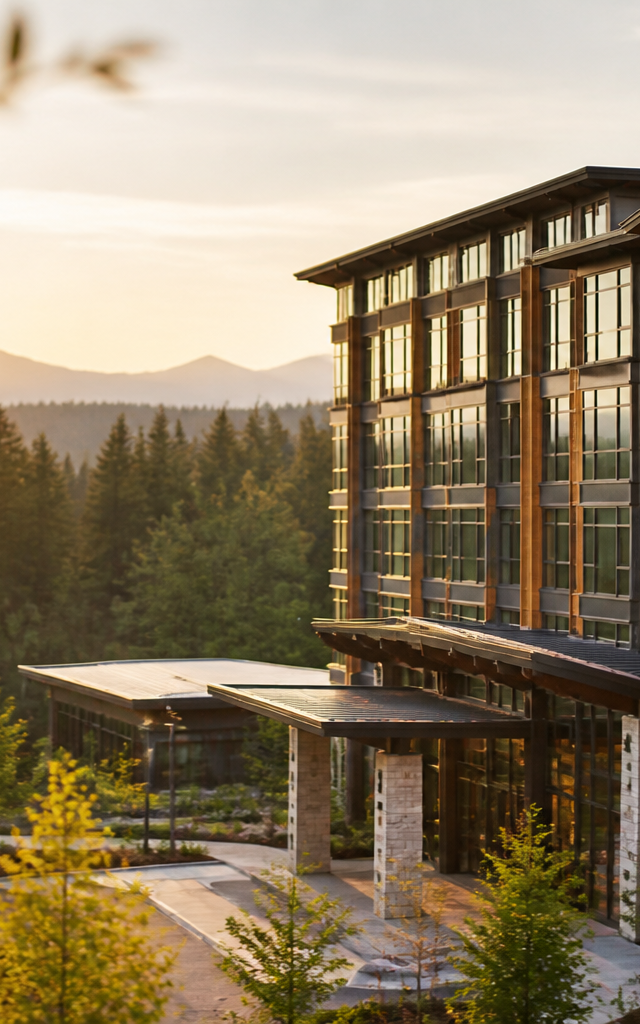
Hyatt House Seattle/Bellevue
Extended-stay Hyatt House with full-kitchen suites.
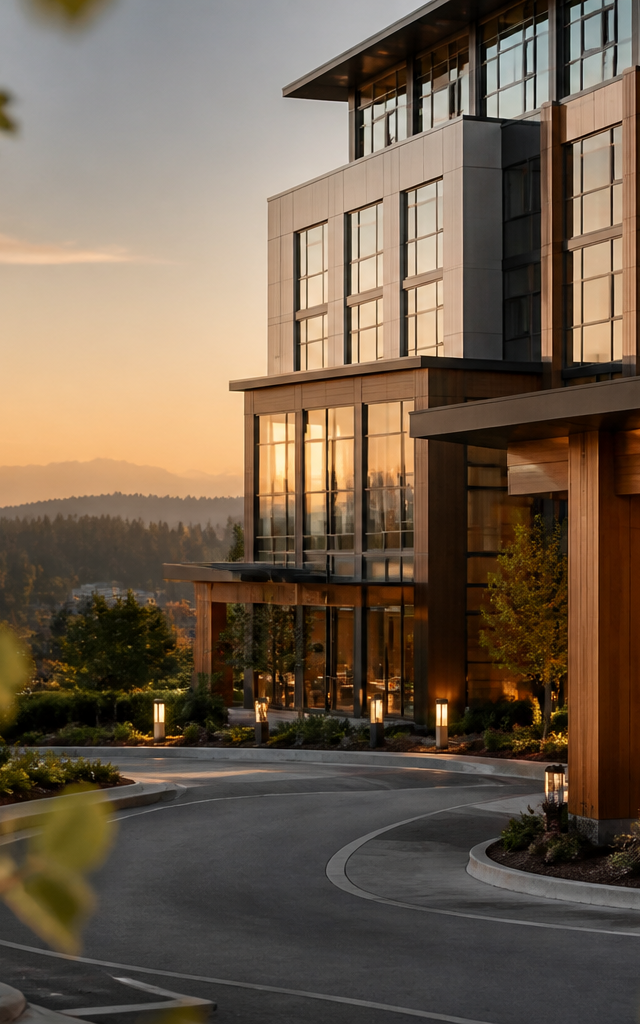
Bellevue Club Hotel
An independent 66-room hotel attached to the Bellevue Club — a 200,000-square-foot athletic and wellness campus with indoor and outdoor pools, a full-service spa, and four dining venues, at the south edge of downtown Bellevue.
Downtown
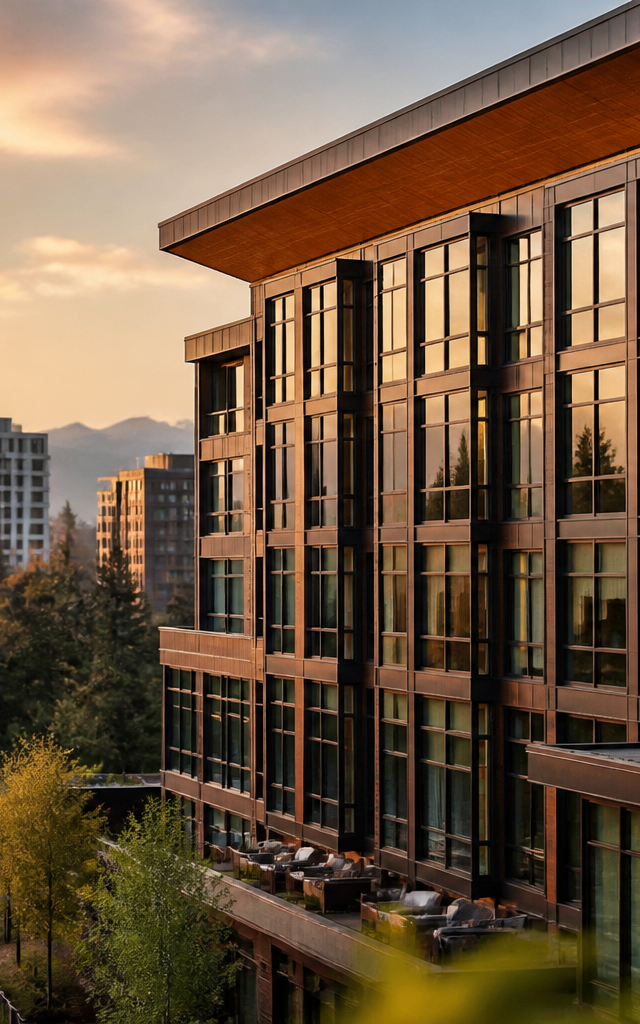
Hilton Bellevue
Full-service Hilton with Basil's Kitchen restaurant.
Downtown
Residence Inn by Marriott Bellevue Downtown
All-suite extended-stay with kitchens and breakfast.
Downtown
Shopping nearby
Browse all shopping in Bellevue →
Marketplace at Factoria
Refreshed open-air center with Target, Nordstrom Rack, and Trader Joe's.
Factoria
Old Bellevue Main Street
Walkable historic district with indie boutiques, salons, and cafés.
Old Bellevue

REI Bellevue
Eastside REI Co-op store with outdoor gear, apparel, and a full-service bike shop.

Apple Bellevue Square
Flagship Apple store inside Bellevue Square.
Downtown
Parks & Trails nearby
Browse all parks & trails in Bellevue →
Bellevue Botanical Garden
4.8A free 53-acre public botanical garden in Wilburton with the celebrated Perennial Border, Yao Japanese Garden, Ravine Experience suspension bridge, and the annual Garden d'Lights holiday show.
Wilburton

Wilburton Hill Park
4.6Hilltop park with sports fields, gardens, and city views.
Wilburton

Meydenbauer Bay Park
4.7Bellevue's downtown waterfront: a swim beach, a pier, and kayak rentals ten minutes below Old Bellevue.
Old Bellevue

Coal Creek Natural Area
4.7Mining-history trail through a forested ravine.
Newport
Restaurants nearby
Browse all restaurants in Bellevue →
Bis on Main
4.7Old Bellevue's neighborhood-anchor dining room — Pacific Northwest bistro cooking, a serious wine list, and the special-occasion table on Main Street.
Old Bellevue

Monsoon Bellevue
4.5Old Bellevue's modern Vietnamese dining room — market-driven Vietnamese cooking, a serious wine and cocktail program, and one of the most distinctive restaurants on Main Street.
Old Bellevue
520 Bar & Grill
Old Bellevue bar and grill at 10146 Main Street serving classic American fare, with a patio and weekend brunch Saturday and Sunday from 10 AM to 2 PM.
Old Bellevue

Carmine's
4.5Downtown Bellevue's Italian dining room — house-made pastas, Roman classics, a serious Italian and Washington wine list, and a table where the conversation runs long.
Old Bellevue
Nightlife nearby
Browse all nightlife in Bellevue →Lake Washington Cellars
Local winery tasting room.
Downtown
Civility & Unrest
Cocktail bar inside W Bellevue with creative drinks.
Downtown

Cypress Lounge & Wine Bar
Refined wine bar inside The Westin Bellevue.
Downtown

JOEY Bellevue
Energetic restaurant-bar with social bar scene.
Downtown
Local Businesses nearby
Browse all local businesses in Bellevue →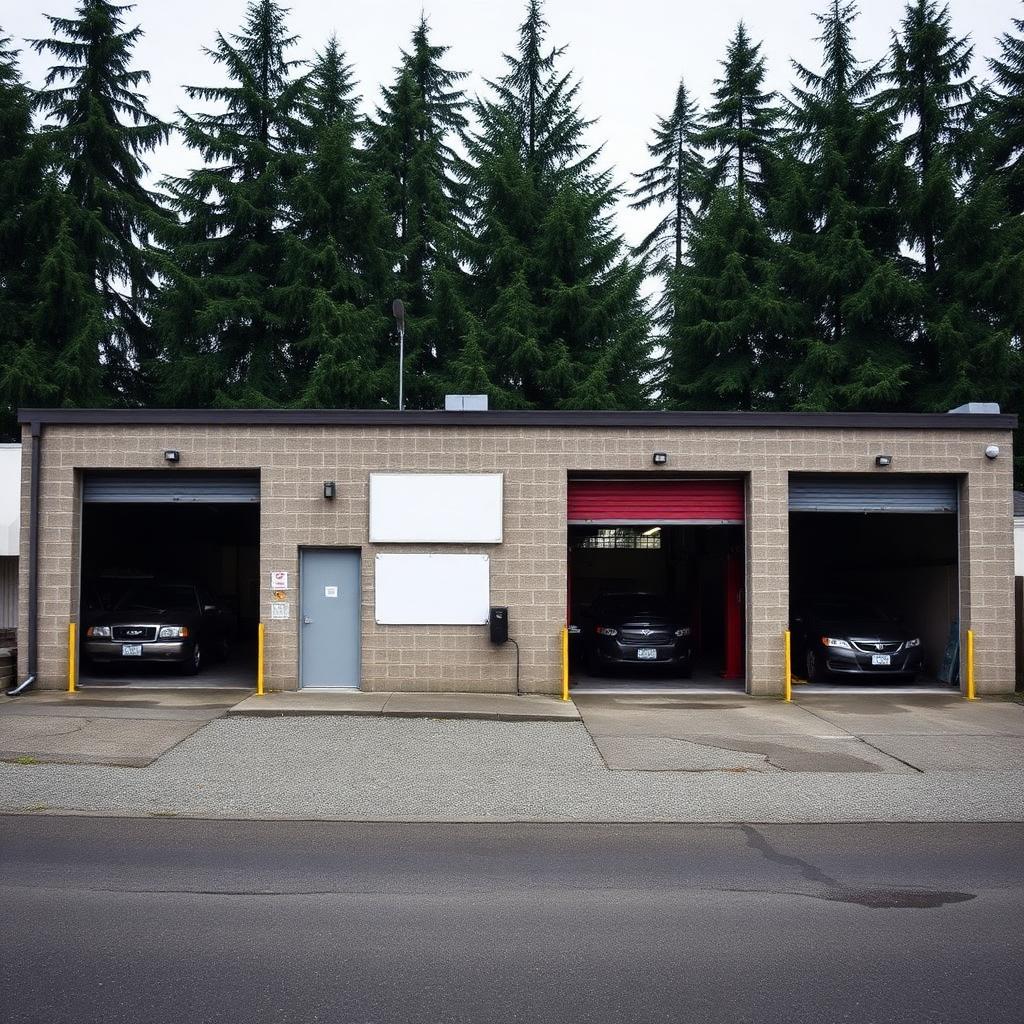
Ishii Motor Industries Auto Repair
Independent Bellevue auto repair shop on 116th Ave NE — a locally-owned alternative to dealership service, walking distance from downtown Bellevue.
Wilburton
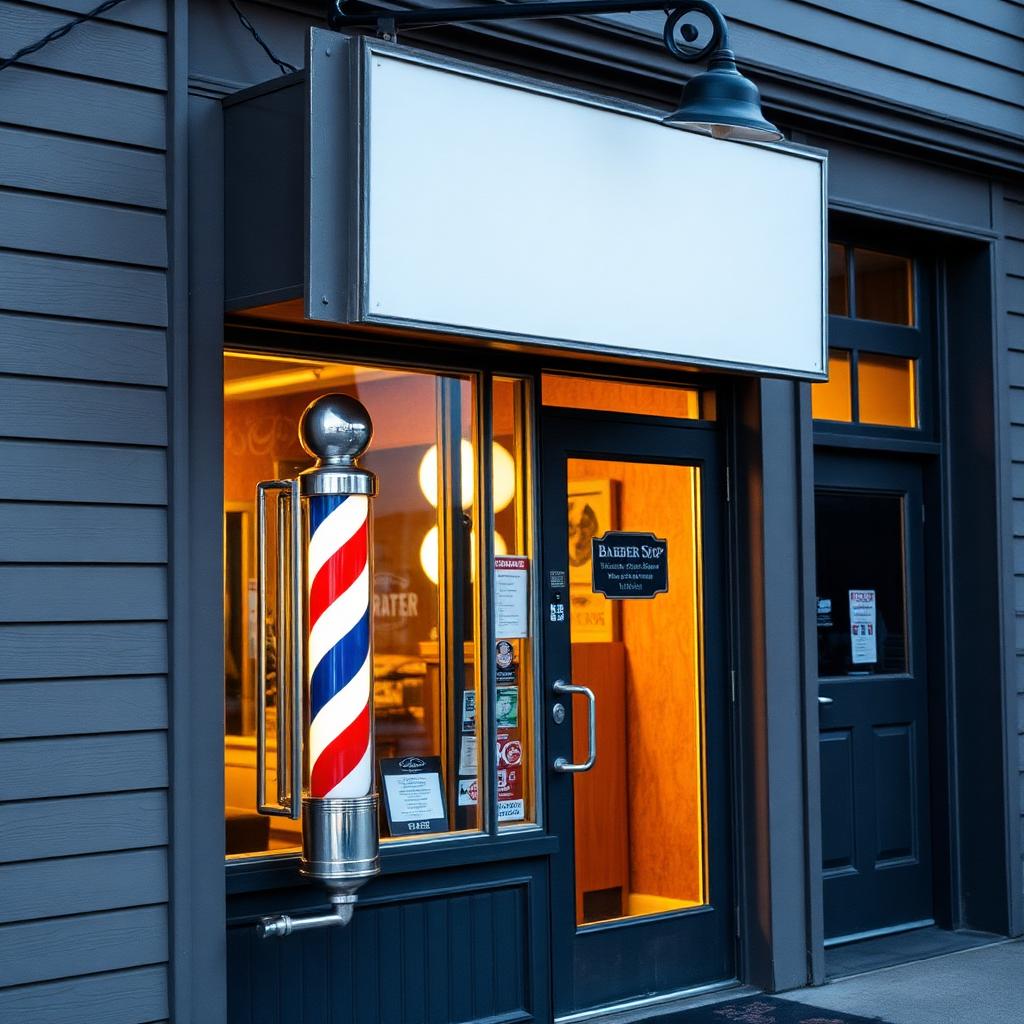
Bel-Red Barbers
4.6Bellevue's longest-running barber shop — walk-ins only, seven days a week, in continuous operation on the Eastside since 1959.
Bridle Trails
Things to Do nearby
Browse all things to do in Bellevue →
Meydenbauer Center
4.4Bellevue's premier convention, conference, and performing arts venue — 36,000 square feet of column-free ballroom, a 410-seat theatre, and a full block of meeting space steps from light rail.
Downtown

Lucky Strike Bellevue
4.3Upscale bowling, billiards, and craft cocktails.
Downtown
Attractions nearby
Browse all attractions in Bellevue →Bellevue Square
4.5The two-level, 200-store centerpiece of The Bellevue Collection — connected by sky bridge to Lincoln Square, Bellevue Place, and downtown Bellevue.
Downtown
The Bellevue Collection
4.7Downtown Bellevue's three-building shopping, dining, entertainment, and hotel campus — Bellevue Square, Lincoln Square, and Bellevue Place connected by covered skybridges into one walkable destination.
Downtown
Lincoln Square
4.5Downtown Bellevue's entertainment, dining, and lifestyle complement to Bellevue Square — cinema, chef-driven restaurants, a public plaza, and the W Bellevue, all under one covered roof.
Downtown

Bellevue Arts Museum
4.4Bellevue's cultural centerpiece — a non-collecting museum of Art, Craft, and Design in a Steven Holl–designed building across from Bellevue Square, with rotating exhibitions, family programs, and one of the strongest pieces of contemporary architecture in Downtown Bellevue.
Downtown
FAQ
Common questions
Editorial ratings
How we rate it
BellevueExplorer Editorial Ratings are our independent assessment of the visitor experience. Rather than measuring popularity, they highlight the strengths of each destination using consistent editorial criteria. They are separate from public review scores and are based on our published methodology.
Scenic beauty
A 320-acre freshwater wetland inside a major city, with cottonwood bottomland, open channels, and boardwalks that carry you directly over the water. The scale of what Bellevue chose to protect here is remarkable and the landscape rewards return visits in every season.
Hidden gem
Locals know it; visitors almost always miss it. More than 170 bird species are recorded here, yet most first-time visitors to Bellevue never learn that a 320-acre wetland sits five minutes from downtown. Come at sunrise on a weekday for the full effect.
Photography
Morning mist, low water reflections, cottonwood silhouettes, and consistent wildlife opportunity give this park a photographic range most urban parks cannot match. Both morning and evening golden hour reward patience; wildlife photographers can spend a full season here without exhausting the material.
Family friendly
Short boardwalk loops, visible wildlife, the Environmental Education Center run in partnership with Pacific Science Center, and a u-pick blueberry farm in summer make this one of the best all-ages outings on the Eastside. Free admission removes the pressure to stay longer than the kids want to.
Accessibility
The main boardwalk loop near the Bellevue Way trailhead and paved paths around the Winters House and Environmental Education Center are fully accessible with gentle grades. Longer forested loops (Bellefields, Cottonwood) are not — plan around them if mobility is a concern.
Walkability
Seven miles of trails give real choice, from a 1-mile boardwalk loop to a full circuit of the park. Soft surfaces and grade changes on the longer trails keep this from a five, but the network is well-marked, well-maintained, and connects to the Lake to Lake Trail.
Value
Free trails, free parking at four trailheads, and free educational programming at the Environmental Education Center (with paid options for camps and rentals). The u-pick blueberry farm is priced fairly by the pound. It is difficult to find better public land value on the Eastside.
Relaxation
Once you are two minutes past the trailhead, the traffic disappears. Weekday mornings on the boardwalk are as calm as any public space on the Eastside — birdsong, moving water, and the occasional beaver splash are the dominant sounds.
Season by season
What each season brings
Migrating waterfowl return, red-winged blackbirds stake territory in the cattails, and the first cottonwood leaves emerge. Trails can be muddy — waterproof shoes are worth the space in your bag.
Wildflowers along trail edges, dragonflies over open water, and the blueberry farm opens for u-pick from mid-July. Paddling conditions on the slough are at their best.
Cottonwoods turn gold, morning fog is nearly daily, and migratory birds pass through in waves. September and October may be the most photogenic weeks of the year.
Short days, wet trails, and beautiful low-angle light. Bald eagles are more visible along the slough. Most weekdays you will nearly have the park to yourself.
Come prepared
Visitor checklist
- Waterproof or trail shoes — much of the trail network is soft-surface and can be wet even in summer
- Binoculars — the difference between seeing a heron and seeing what a heron is doing
- A light rain layer any month of the year
- Water and a snack — there are no food vendors in the park
- Camera or phone with a modest telephoto for wildlife (a 70-200mm equivalent is ideal)
- Insect repellent from May through September, especially at dusk
- A printed or downloaded trail map — cell coverage is spotty in the deeper trails
- Cash or card for the blueberry farm during u-pick season (mid-July through September)
Practical
Know before you go
The park is open daily from dawn until dusk. Trails have no lighting; plan to be out before sunset unless you carry a headlamp. Admission and parking are free at all four trailheads. There are no reservations for a daytime visit.
The four public trailheads are: Bellevue Way SE (main, best for a first visit and the accessible boardwalk); Sweyolocken Boat Launch off 118th Ave SE (best for kayaks and canoes with a proper boat ramp); Enatai Beach Park on the western edge (small hand-carry paddle launch); and the 118th Ave SE trailhead near the Environmental Education Center (best if you are attending a program).
Leashed dogs are welcome on trails but not permitted in the working blueberry farm or on the grounds of the Environmental Education Center during programs. Drones are prohibited in Bellevue city parks. Do not step off boardwalks or established trails — much of the wetland is sensitive habitat and shallow, unstable ground.
The Environmental Education Center runs public programs, summer camps, and rentals in partnership with Pacific Science Center. Program schedules, fees, and hours vary seasonally — check bellevuewa.gov or the Center directly before planning a specific program visit.
The blueberry farm operates as u-pick from roughly mid-July through September (exact dates vary year to year with the crop). It is a working farm, not a garden — bring cash or card, wear clothes you do not mind staining, and check current status before you drive out.
There are no food vendors inside the park. Factoria Square is a five-minute drive south for restaurants; downtown Bellevue is five minutes north for coffee and full-service options.
Details
Hours & contact
Hours
- Park trails
- Daily, dawn to dusk
- Winters House visitor center
- Weekends, seasonal
- Environmental Education Center
- Hours vary by season and program — check bellevuewa.gov
- Blueberry Farm (u-pick, July-Sept)
- See seasonal schedule
Contact
- Address
- 2102 Bellevue Way SE, Bellevue, WA 98004
- Phone
- +1-425-452-6885
More like this
Related parks & trails
Bellevue Botanical Garden
4.8A free 53-acre public botanical garden in Wilburton with the celebrated Perennial Border, Yao Japanese Garden, Ravine Experience suspension bridge, and the annual Garden d'Lights holiday show.
Wilburton
Coal Creek Natural Area
4.7Mining-history trail through a forested ravine.
Newport

Bridle Trails State Park
4.7About 480 acres of forest with horse and hiking trails, just north of Bellevue in Kirkland.
Nearby — Kirkland
Meydenbauer Bay Park
4.7Bellevue's downtown waterfront: a swim beach, a pier, and kayak rentals ten minutes below Old Bellevue.
Old Bellevue
Keep exploring
Continue your visit
Tags
Featured in
This place is featured in these collections
Dog friendly
Dog-Friendly Bellevue
The Bellevue day with your dog: off-leash parks, waterfront trails, dog-welcoming patios, and where to stop for water.
Free to visit
Free Things to Do in Bellevue
The Bellevue day that costs nothing but your walk: parks, gardens, farms, lakes, and the free floor of the art museum.
Parks & trails pick
Best Parks & Trails in Bellevue
The full Bellevue outdoors map: Downtown Park, Botanical Garden, Mercer Slough, Bridle Trails, and Coal Creek — sequenced by mood.
Contribute
Have great photos of Mercer Slough Nature Park?
Share them with BellevueExplorer. Editor-reviewed, no account required — we credit contributors when we publish.