
East Link Is Changing Bellevue — And Not Just How We Get Around
The 2 Line gives Bellevue a new geography. What happens within a ten-minute walk of its stations matters more than the ribbon cutting.
In this guide
For years, light rail in Bellevue was something residents could see taking shape before they could fully experience what it meant.
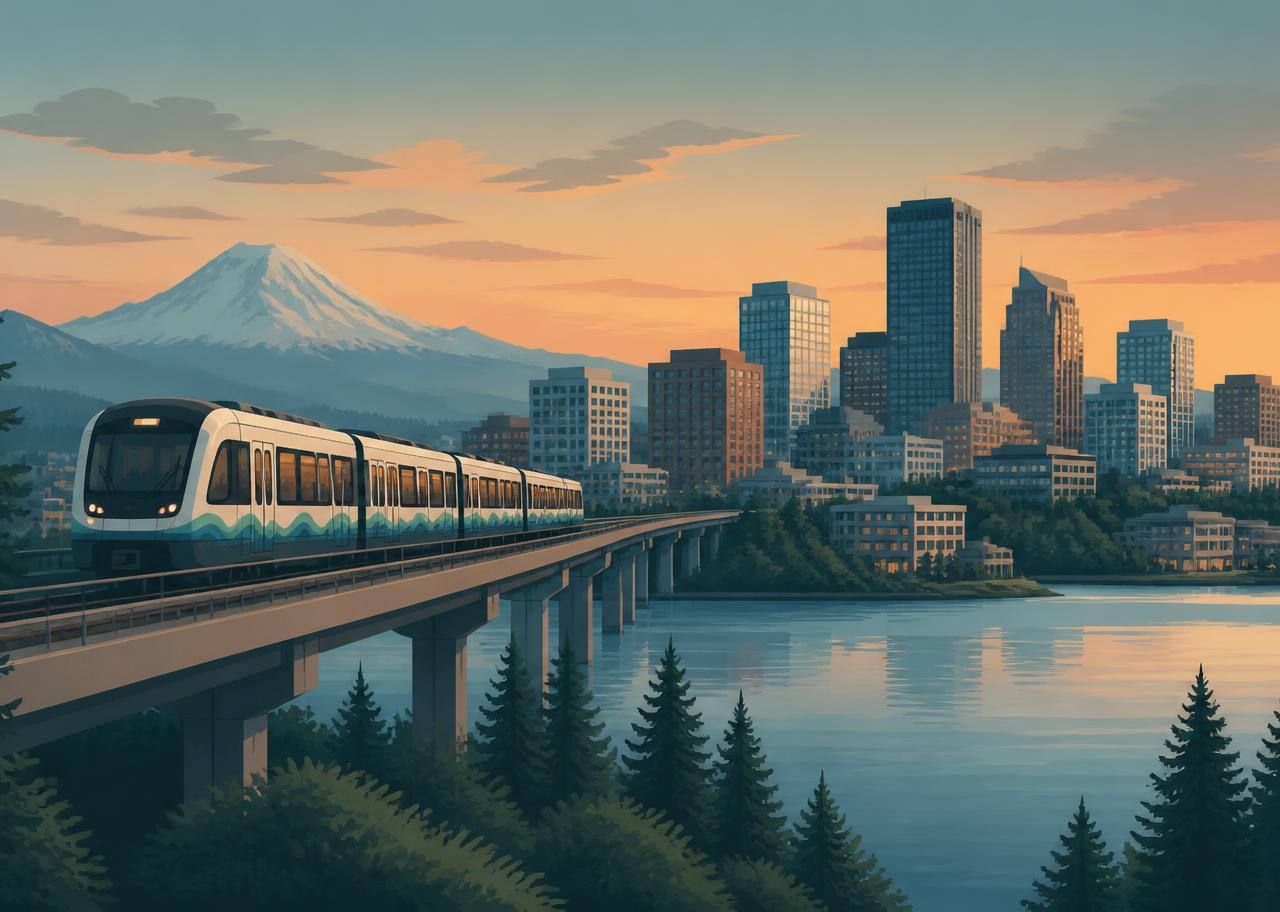
Tracks appeared. Stations rose. The tunnel beneath downtown became part of the city's landscape. Then, in April 2024, the first portion of the 2 Line opened between South Bellevue and Redmond Technology, bringing passenger rail to the Eastside for the first time.
But the bigger transformation arrived on March 28, 2026.
That's when trains began carrying passengers across Lake Washington, completing the connection between the Eastside and Seattle's regional light-rail network.
For Bellevue, this is not simply another way to commute.
It changes the geography of the city.
Bellevue Just Became Easier to Discover
For decades, experiencing Bellevue without a car could require planning around buses, parking, rideshares or long walks between destinations.
Light rail doesn't eliminate those realities. But it changes the starting point.
A visitor arriving from Seattle can now step off a train in Downtown Bellevue and be within walking distance of restaurants, shopping, Meydenbauer Center, Downtown Park and Old Bellevue.
Another rider can exit at Wilburton and connect toward Eastrail.
Spring District has its own station.
BelRed — an area that many visitors previously drove through rather than explored — now sits directly on a regional transit line.
South Bellevue provides another gateway into the city.
Those stations aren't merely transportation infrastructure.
They are new front doors to Bellevue.
The Most Interesting Change May Happen Around the Stations
Bellevue's long-term planning makes clear that much of the city's future growth is expected to occur in places with strong transit access.
The city's 2044 Comprehensive Plan anticipates approximately 35,000 additional housing units and 70,000 additional jobs, with much of that growth directed toward mixed-use centers including Downtown, BelRed and Wilburton.
That means today's station areas may look considerably different a decade from now.
Spring District already demonstrates what that transition can look like: housing, offices, restaurants, public spaces and transportation becoming part of the same neighborhood rather than separate destinations reached primarily by automobile.
Wilburton may ultimately represent an even larger transformation.
And BelRed is increasingly becoming a place worth exploring in its own right.
Light rail didn't create these changes by itself. Bellevue has been planning for them for years.
But rail gives those plans a backbone.
Downtown Bellevue Changes Too
Downtown may benefit in a subtler way.
Bellevue already has the skyline, offices, restaurants, hotels and shopping of a major urban center.
What it has sometimes lacked is effortless connection between those individual assets.
That is beginning to change.
Downtown Bellevue has become the city's fastest-growing residential neighborhood. And another major city initiative — the Grand Connection — envisions a pedestrian-focused corridor extending more than 1.5 miles from Meydenbauer Bay Park through Old Bellevue and Downtown Park, across the downtown core and eventually over Interstate 405 toward Wilburton and Eastrail.
Imagine those systems working together.
Arrive by train.
Walk through downtown.
Continue to Downtown Park.
Follow the corridor toward Old Bellevue.
Reach Meydenbauer Bay.
Or travel in the opposite direction toward Wilburton and Eastrail.
That is a very different Bellevue experience from driving into a garage, visiting a single destination and driving home.
The 2 Line Could Change Local Exploration
This is the part we're most interested in at BellevueExplorer.
Light rail creates the possibility of exploring Bellevue by station rather than by parking lot.
Get off at Bellevue Downtown and spend an afternoon walking.
Ride one stop and discover another neighborhood.
Combine rail with Eastrail.
Build a restaurant crawl around stations.
Visit Bellevue without worrying about where to leave the car.
Take visiting relatives around the city without becoming their chauffeur.
The infrastructure makes those experiences possible. What happens around that infrastructure will determine whether people actually want to have them.
That means sidewalks matter.
Wayfinding matters.
Street-level businesses matter.
Public spaces matter.
Restaurants and cafés near stations matter.
And the walking experience between a station and a destination matters enormously.
A great transit system gets you to a neighborhood.
A great city makes you want to get off the train.
Bellevue Still Has Work to Do
Light rail does not instantly make Bellevue walkable everywhere.
Some destinations remain difficult to reach without a car.
Large roads and Interstate 405 still divide parts of the city.
Connections between neighborhoods can be inconsistent.
And a station that looks close on a map can feel much farther away when the pedestrian route is indirect or unpleasant.
Those shortcomings shouldn't be hidden.
In fact, the arrival of regional light rail makes them more visible.
As more people experience Bellevue on foot, the quality of sidewalks, crossings, public spaces and connections becomes part of the city's visitor experience in a way it wasn't when nearly everyone arrived behind a windshield.
That is a healthy pressure.
A City Connected to the Region
There is also a psychological change taking place.
Bellevue is no longer simply a destination east of Seattle that happens to be accessible by transit.
It is part of the same rail network.
A visitor can travel between Bellevue and Seattle without checking bridge traffic.
A Bellevue resident can reach destinations throughout the regional system without starting the trip in a car.
And someone staying in Seattle can decide to spend an afternoon in Bellevue almost spontaneously.
That matters for restaurants.
It matters for hotels.
It matters for events.
It matters for arts and culture.
And it matters for neighborhoods that are only beginning to develop identities as destinations.
The Next Chapter
The 2 Line shouldn't be judged only by how many commuters it carries.
Watch what happens within a ten-minute walk of its Bellevue stations.
Watch BelRed.
Watch Spring District.
Watch Wilburton.
Watch the connection between Downtown Bellevue and the waterfront.
Watch where cafés open, where housing gets built, where public spaces emerge and where people begin spending time rather than simply passing through.
Those changes will tell us more about light rail's impact than any ribbon cutting.
Bellevue has spent decades becoming one of the Northwest's most important employment and commercial centers.
The next challenge is different.
It's becoming a city that's increasingly easy to experience without a car.
The train has arrived.
Now Bellevue gets to decide what kind of city people discover when they step off it.
Explore next on BellevueExplorer: 2 Line Light Rail Guide · Bellevue Downtown Station · Spring District · BelRed · Wilburton · Interactive Map
Featured in this guide
Places to know
Hyatt Regency Bellevue
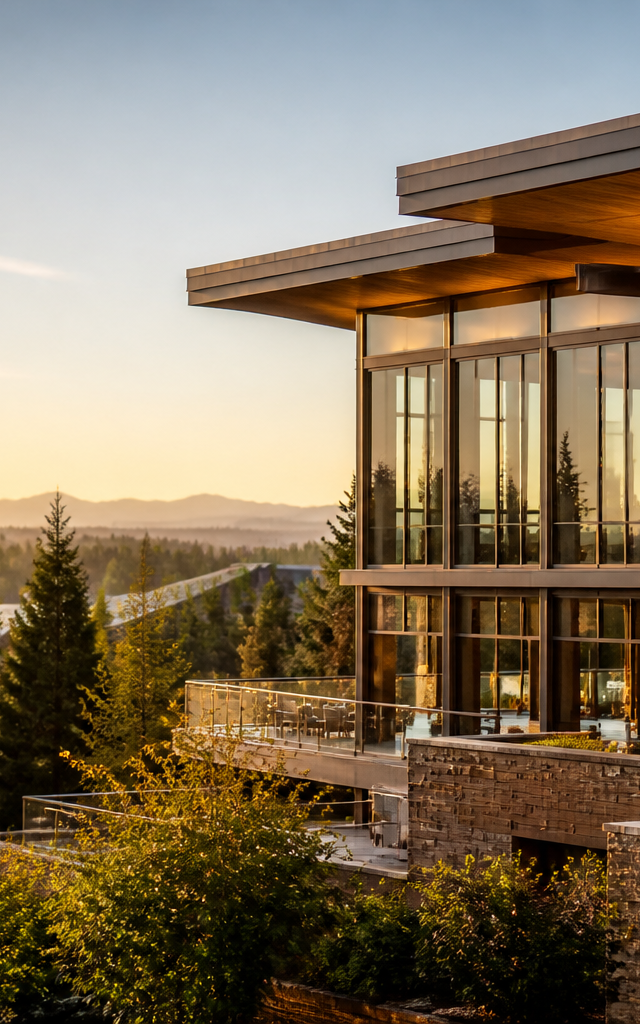
4.4Downtown Bellevue's convention-anchor hotel — 732 rooms and suites inside Bellevue Place, with direct covered access to The Bellevue Collection, Meydenbauer Center, and Daniel's Broiler on the top floor.
Downtown

Bellevue Arts Museum
4.4Bellevue's cultural centerpiece — a non-collecting museum of Art, Craft, and Design in a Steven Holl–designed building across from Bellevue Square, with rotating exhibitions, family programs, and one of the strongest pieces of contemporary architecture in Downtown Bellevue.
Downtown
The Westin Bellevue
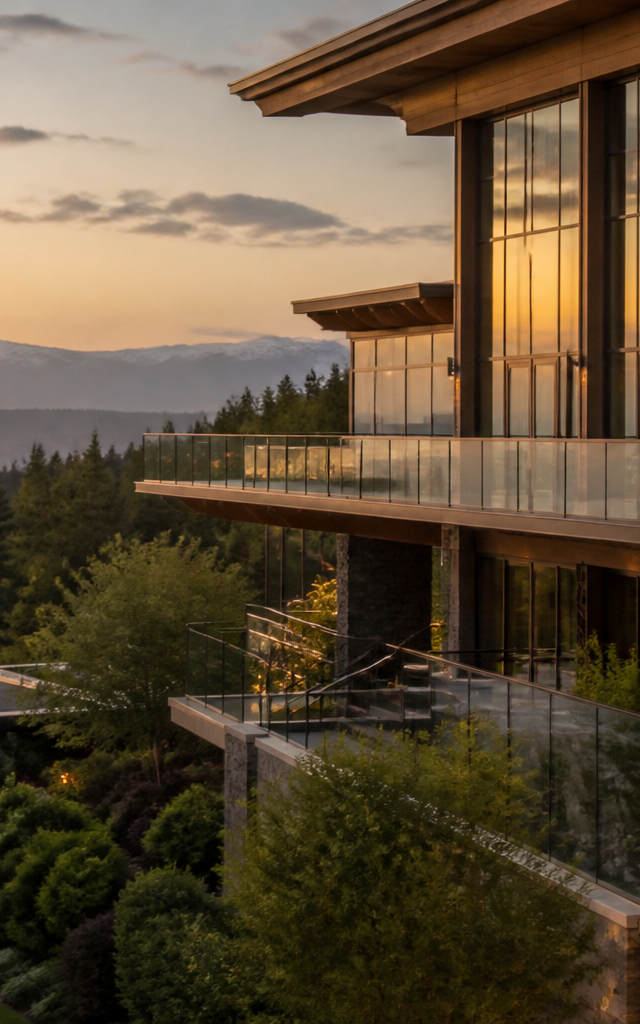
Wellness-forward luxury hotel above Lincoln Square South — 337 rooms and 26 suites with a heated indoor pool, WestinWORKOUT fitness studio, Cole's Bar & Grill, and a covered walk to The Bellevue Collection.
Downtown
Bellevue Club Hotel
An independent 66-room hotel attached to the Bellevue Club — a 200,000-square-foot athletic and wellness campus with indoor and outdoor pools, a full-service spa, and four dining venues, at the south edge of downtown Bellevue.
Downtown
Keep reading
More from BellevueExplorer
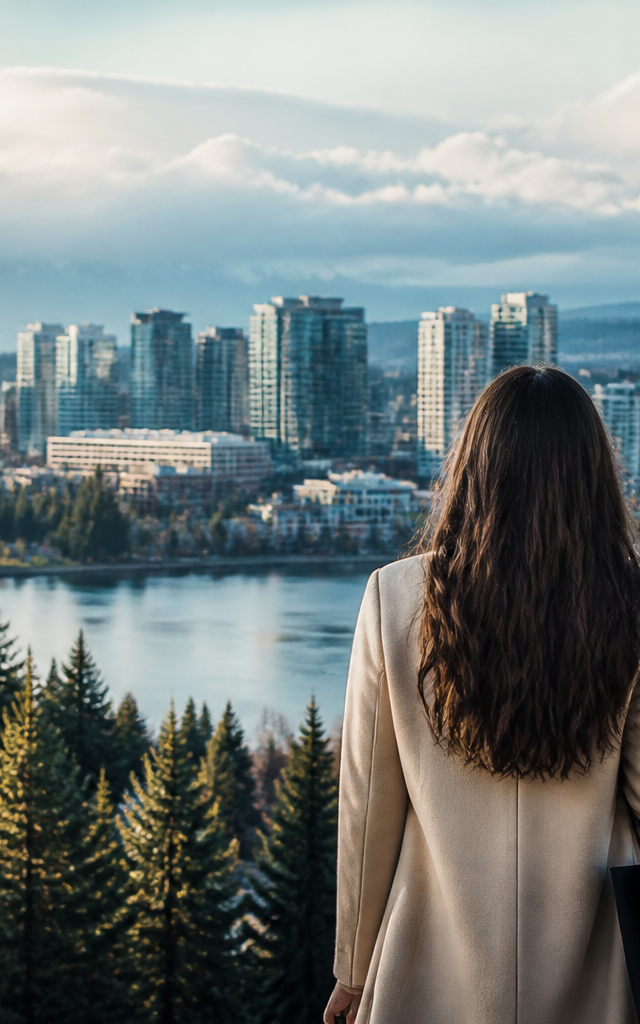
shopping
The Bellevue Shopping Guide
Bellevue Square gets the headlines, but the real shopping map has six stops. Here's where locals actually shop, and how to stitch it into one good afternoon.
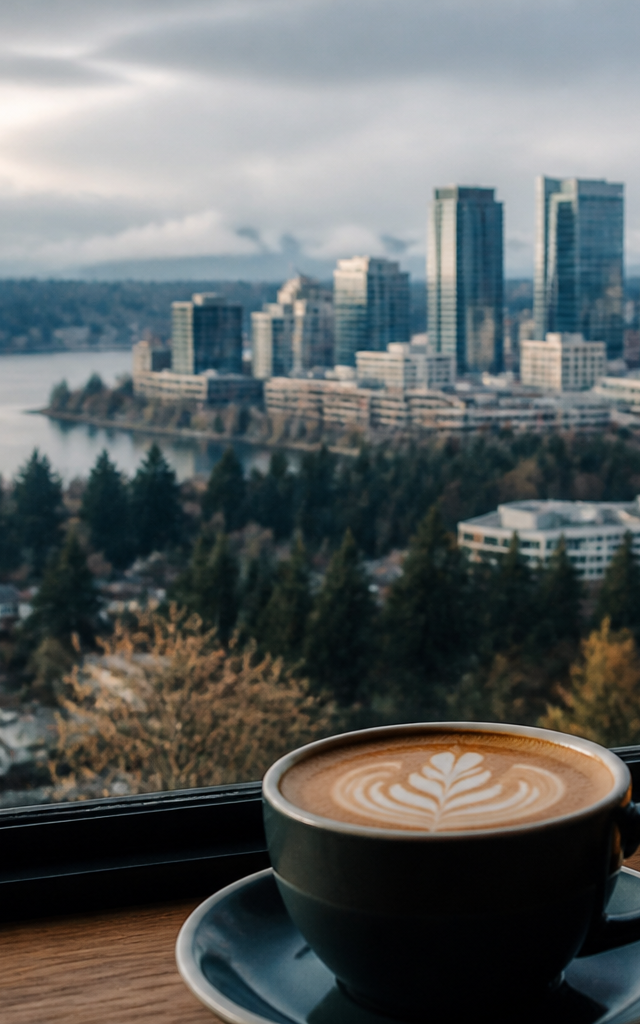
food-drink
Bellevue Coffee Crawl: One Perfect Morning
Four downtown cafes, one morning, on foot. The walkable Bellevue coffee crawl with what to order at each stop.
Editor's collections
Continue with a curated collection
Featured collection
Date Night Bellevue
The Bellevue date-night rooms with the light, the pacing, and the wine list to earn the evening — plus how to sequence dinner, drinks, and a walk.
Featured collection
Rainy Day Bellevue
The Bellevue plan that works when it rains: covered walkways, museums, indoor markets, tea rooms, and reading chairs.
Featured collection
The Bellevue Coffee Crawl
Our editors' route through six independent Bellevue coffee bars: where to start, what to order and how to pace a single morning.